
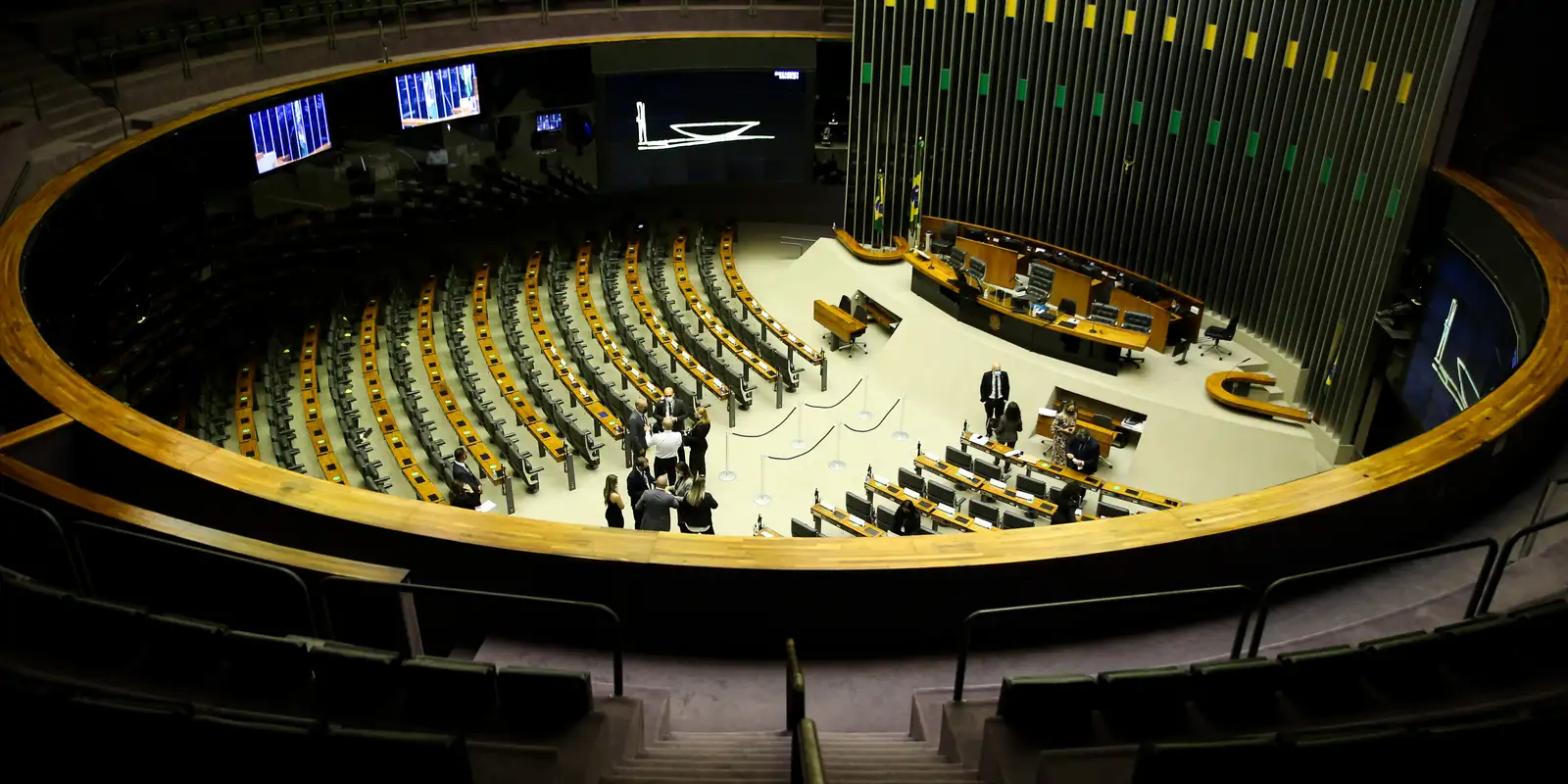
On February 24, 2022, the Chamber of Deputies concluded the voting on the bill that legalizes gambling in Brazil, including casinos, bingo, ‘jogo do bicho’, and sports betting (PL 442/91). With the rejection of seven amendments, the text now goes to the Senate for consideration. However, the government leader in the Chamber, Representative Ricardo Barros (PP-PR), warned that President Jair Bolsonaro is likely to veto the proposal if it moves forward in Congress.
The approved text, drafted by Representative Felipe Carreras (PSB-PE), authorizes the granting of permanent or temporary licenses for gaming operations. The proposal establishes certain limitations: each state may have one casino, with the exceptions of Minas Gerais and Rio de Janeiro (two each) and São Paulo (three).
Taxation
Gaming taxation was one of the most debated points. An amendment presented by the PT (Workers’ Party), rejected in plenary, proposed raising the Cide (Contribution for Economic Intervention) tax rate from up to 17% to 30%, applying it to gross revenue rather than profit. The leader of the PT, Reginaldo Lopes (MG), criticized the approved model, classifying it as excessively generous to the gaming sector.
The first vice-president of the Chamber, Representative Marcelo Ramos (PL-AM), also highlighted the disparity in the tax burden, noting that these games will pay less in taxes than basic food items, such as rice and beans. Carreras, in turn, argued that lower taxation aims to attract investment and encourage job and income generation, with a lower rate than other entertainment sectors (16.33%).
Criticism arose from the opposition regarding the exemption from other contributions and taxes as well. Representative Gilson Marques (Novo-SC) called this exemption unconstitutional and advocated for its repeal.
Casinos
Under the draft bill, casinos must be located within resorts that are integrated into leisure complexes with at least 100 high-end hotel rooms, restaurants, bars, shopping centers, and event spaces. The casino space may occupy up to 20% of the complex’s built area and may offer electronic games, roulette, card games, and other authorized games.
The Executive Branch will be responsible for determining the locations, based on the region’s tourism and socioeconomic potential. Each economic group may obtain one concession per state, through a public auction based on technical and price criteria. States with more than 1 million km², such as Amazonas and Pará, may have up to two casinos.
Touristic cities
In destinations recognized as tourist hubs—with adequate infrastructure, high tourist density, recognition as natural heritage sites, and tourism as a significant economic activity—the establishment of a casino will be permitted, regardless of the state’s population. However, these tourist casinos may not be located less than 100 km away from a casino properly integrated into a leisure complex.
Casinos on ships
The text also authorizes the establishment of casinos on riverboats. The number varies according to the size of the river: one casino per river between 1,500 and 2,500 km long; two for rivers between 2,500 and 3,500 km; and up to three on rivers longer than 3,500 km. Ships may not remain anchored in the same location for more than 30 consecutive days. These vessels must be equipped with a minimum of 50 high-standard rooms, restaurants, bars, shopping centers, and event spaces. Authorization may be granted for up to ten vessels.
Bingos
The proposal also allows for the permanent operation of bingo halls in specialized establishments. Municipalities and the Federal District may authorize bingo games in stadiums with a capacity of over 15,000 people. Bingo halls must have a minimum capital of R$ 10 million and a minimum area of 1,500 m², and may operate up to 400 video bingo machines — slot machines remain prohibited. The concession will be valid for 25 years, renewable for an equal period, with one bingo hall allowed for every 150,000 inhabitants
“Jogo do bicho“
For the ‘jogo do bicho’, the text stipulates that all bets and draws must be recorded electronically, with real-time online access provided to the federal government through the Audit and Control System (SAC).
Operators must have a minimum share capital of R$ 10 million, in addition to financial guarantees to cover legal obligations (except for prizes), which may be presented as cash deposits, insurance guarantees, or bank guarantees.
Accreditation will also be valid for 25 years, renewable for the same period, with a limit of one operator per 700,000 inhabitants. States with smaller populations may have only one. Prizes below the income tax exemption limit may be withdrawn without identification of the bettor.
Provisional operation
If the new law is not regulated within 12 months of its enactment, the provisional operation of video bingo, bingo, and animal games will be authorized throughout the national territory until the regulation is published.