The regulation of casinos will have positive impacts on Brazil, both economically and
socially.
The Ministry of Tourism projects that integrated resorts could generate between 600,000
and 1 million direct and indirect jobs once all complexes are operational. Each integrated
casino has the potential to create between 3,000 and 8,000 jobs directly, covering a range
of roles from gaming operators to hospitality, customer service, and security teams¹.
The Hotels, Restaurants, and Bars Federation of the State of São Paulo (Fhoresp) estimates
that the measure could generate 382 billion BRL in investments in the tourism sector, making Brazil the third largest gaming market in the world². The total investment for each integrated casino can vary between 200 million and 800 million BRL per unit, covering not only the construction of the physical facilities, but also furniture, decoration, and support infrastructure³.
As for taxation, CNC estimates an annual revenue of up to 37.3 billion BRL from physical
casinos alone⁴. Overall, the legalization of gambling could generate approximately 74 billion
BRL per year in total revenue, including 22.2 billion BRL in taxes and R$ 6.7 billion BRL in
concessions⁵. The regulation may also generate revenue through the Contribution of
Intervention in the Economic Domain (CIDE) of up to 22 billion BRL per year, with a specific
rate of 17% on gaming revenues⁶.
These figures are reinforced by data from the online betting market, which indicates that
within the first five months of 2025 alone, federal revenue exceeded 3 billion BRL⁷. The
rapid maturation of the digital business model can be replicated for physical casinos.
Casinos integrated into resorts and casinos on boats can channel tourism revenues,
competing with international destinations such as Las Vegas, Macau, and Punta del Este.
Even before the approval of Bill 2,234/2022, more than 50 companies are already
considering operating casinos in Brazil, according to information from Fhoresp⁸.
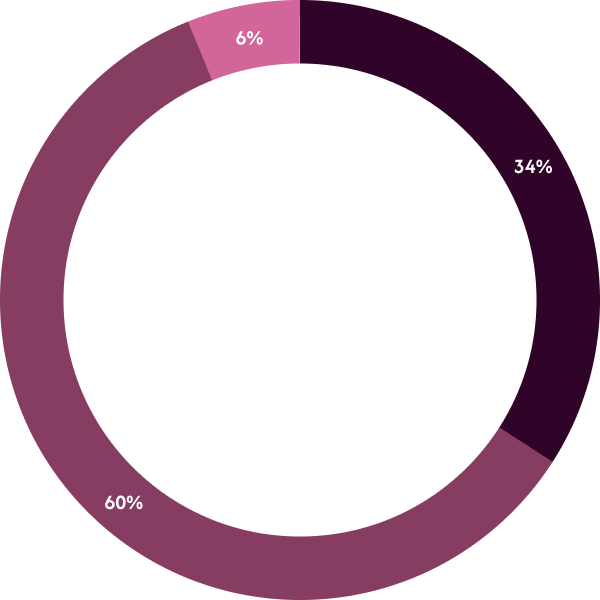
Furthermore, casinos have the support of the public, as demonstrated by a survey
conducted by the DataSenado Research Institute⁹, in which 60% of respondents expressed
support for the regulation of gambling and casinos:
“Overall, what is your position on this bill to regulate and supervise games such as bingo
halls, "jogo do bicho", and casinos?” - Brasil, 2025
Against
In favor
Does not know/would rather not answer
Physical casinos, combined with online betting platforms, position Brazil as a leader in the
sector, with potential to become the third largest global market, behind only the United
States and China¹⁰. In conjunction with Law No. 14,790/2023 (which regulated fixed-odds
betting), Bill No. 2,234/2022 proposes a regulatory framework capable of integrating
tourism, technological innovation, and national and international sources of revenue.
The synergy between physical and online betting generates efficiency gains. Digital
operators with expertise in regulation, data analysis, and loyalty programs can contribute to
the omnichannel experience of integrated resorts. At the same time, physical complexes
add value to the country brand, with infrastructure geared toward high-end tourism,
including event centers, arenas, hotels, and premium dining. It is estimated that this
combination could increase the average tourist spend and reduce regional seasonality.
A business environment with legal security and institutional stability is essential to
consolidate Brazil as a priority destination for international investment in the sector. The
National Association of Casinos fights for the country's consolidation as a global hub for
entertainment, innovation, and investment.